
Dandruff (Pityriasis Capitis Simplex) vs. Seborrhoeic Dermatitis
Know the Difference to Treat It Right
A flaky scalp is something almost everyone experiences at some point, yet many people are unsure what is actually causing it. The two most common reasons are dandruff and seborrhoeic dermatitis. They seem similar on the surface, but they behave very differently underneath, and understanding this can completely change how you treat them.
As a trichologist, I see both conditions every week. The good news? With the right approach, they can be managed very well.
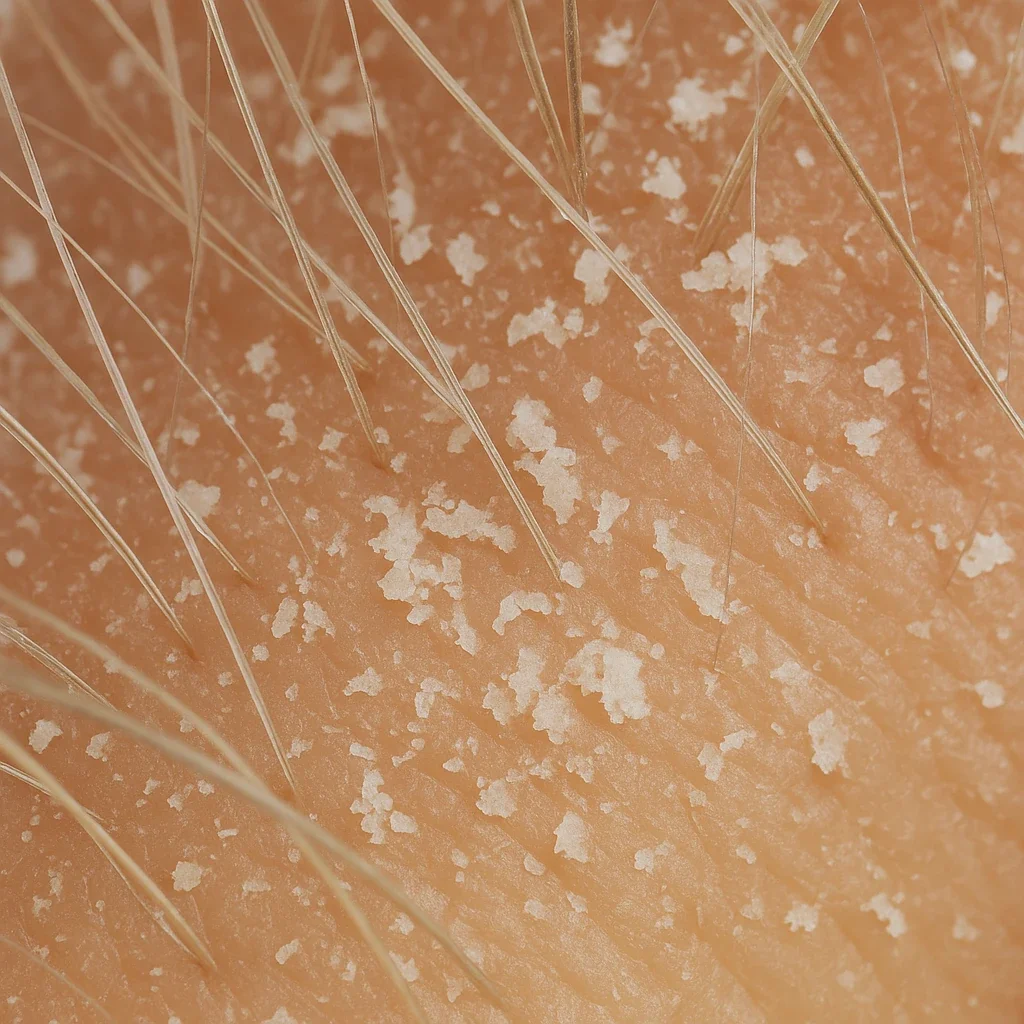
What Is Dandruff? (Pityriasis Capitis Simplex)
Dandruff is the mildest form of scalp flaking. It happens when the scalp’s natural renewal cycle speeds up slightly. Instead of skin cells shedding invisibly, they shed in small clumps that become visible as white flakes.
Why it happens
Dandruff is not caused by poor hygiene. It usually develops due to one or more of the following:
A mild sensitivity to the yeast Malassezia, which naturally lives on all scalps
Dry scalp, especially in colder weather
Stress, which affects the scalp’s barrier and oil balance
Product build-up, especially heavy conditioners, oils or styling products
Overwashing or harsh shampoos, which strip the scalp of moisture
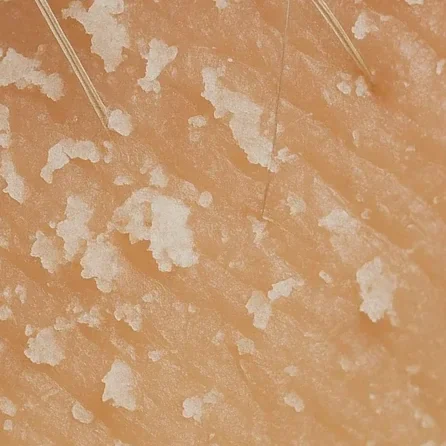
What dandruff looks and feels like:
Dry, white, loose flakes
Minimal or no redness
Mild itching
Scalp looks otherwise normal
How to treat dandruff
A simple, steady routine usually works best:
Gentle anti-dandruff shampoo (zinc pyrithione, selenium sulphide or ketoconazole)
Light scalp exfoliation once a week
Avoid heavy styling products if they tend to build up
Hydrate the scalp with lightweight scalp tonics or lotions
Dandruff often improves quickly when the scalp barrier is supported and the microbiome (the balance of natural scalp organisms) is kept in check.
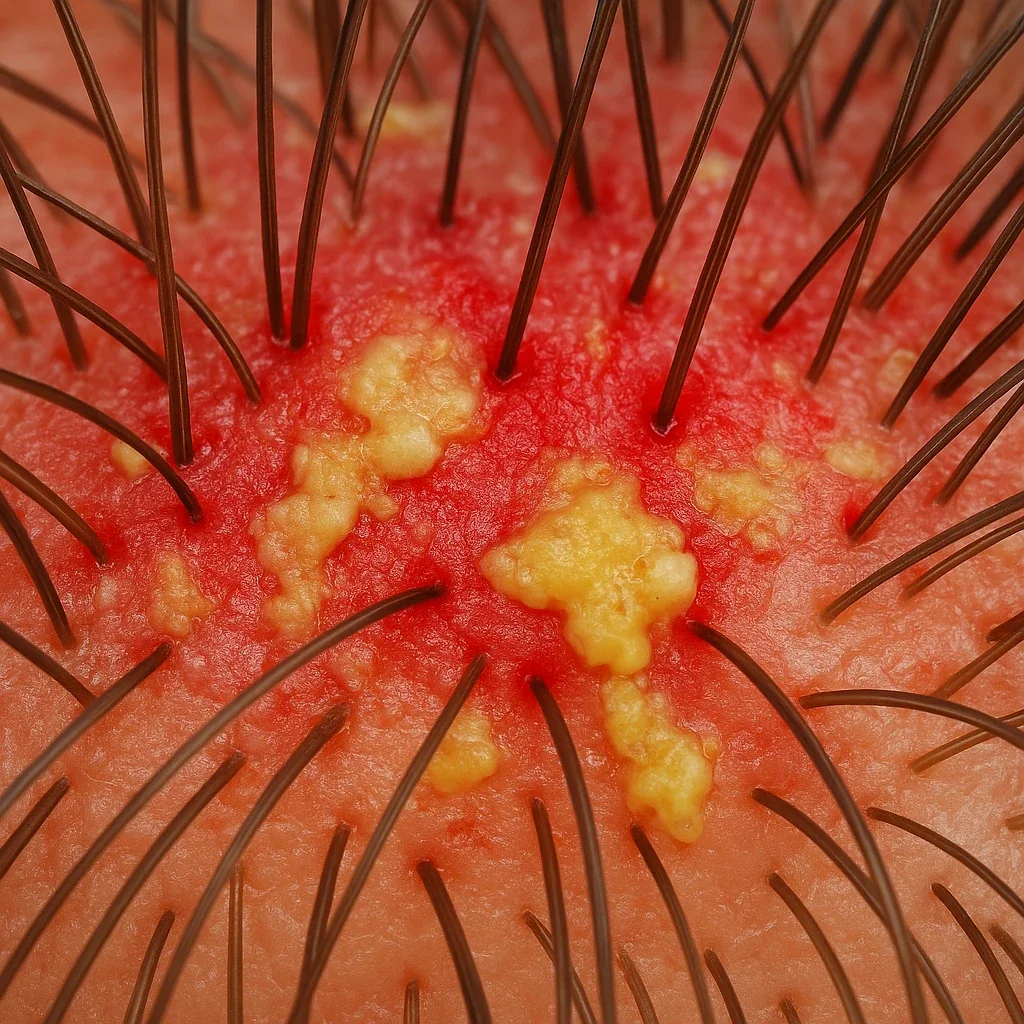
What Is Seborrhoeic Dermatitis?
Seborrhoeic dermatitis (SD) is a more intense, inflammatory form of dandruff.
It’s linked to an overactive response to the Malassezia yeast combined with increased oil production and inflammation in the skin.
Why it happens
SD is influenced by a few key factors:
Overgrowth or sensitivity to Malassezia
Overactive sebaceous glands (oil glands)
A weakened scalp barrier
Stress, which commonly triggers flare-ups
Cold weather, where inflammation becomes more active
Hormonal changes, especially in teens and adults
This is why SD isn’t just limited to the scalp — it also appears in oily areas such as eyebrows, beard, chest, and around the nose.
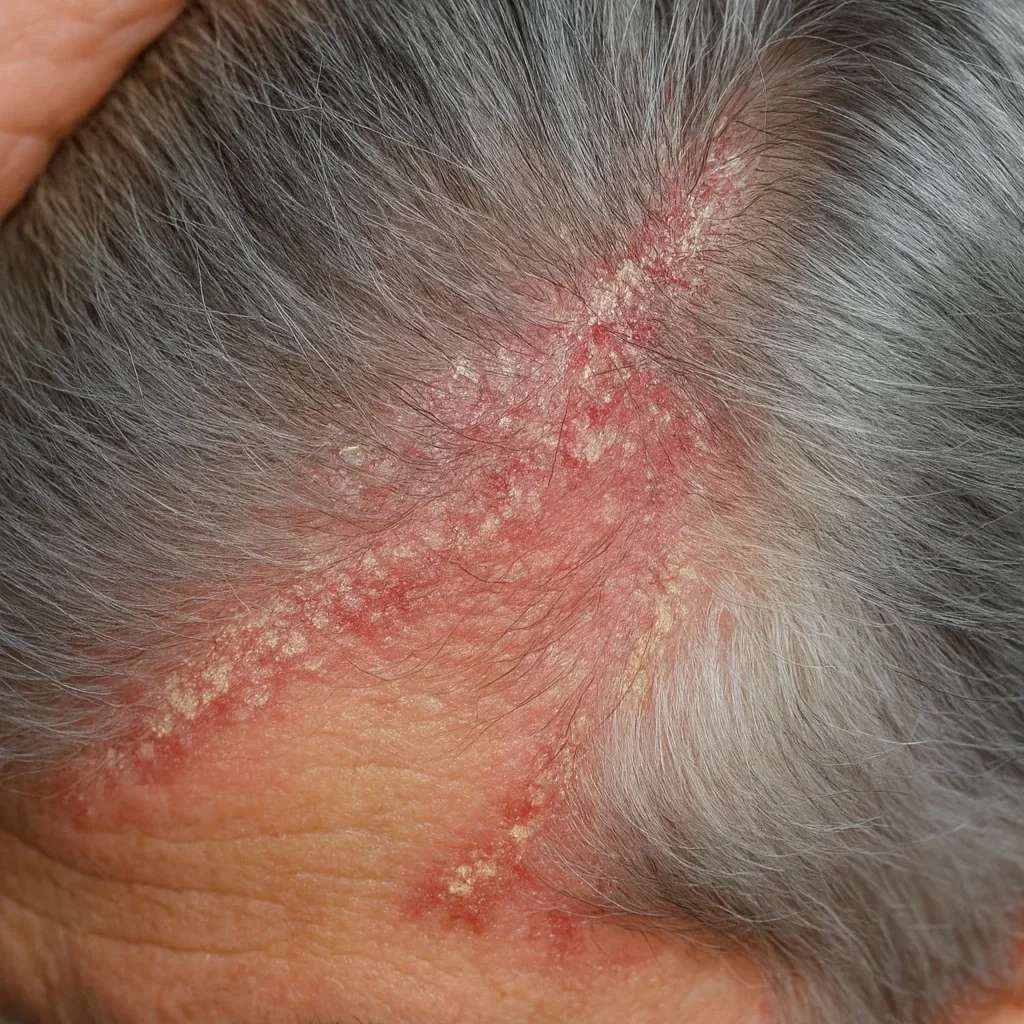
What it looks and feels like:
Yellowish, greasy flakes
Red or inflamed patches
Persistent itching
Areas of irritation that may extend beyond the hairline
SD tends to come and go. You can have long periods where it’s quiet, followed by sudden flare-ups — often during winter or stressful periods.
How to treat seborrhoeic dermatitis
Treatment needs to both reduce inflammation and rebalance the scalp:
Medicated shampoos (ketoconazole, coal tar, salicylic acid, selenium sulphide)
Anti-inflammatory scalp lotions, if needed
Regular but gentle exfoliation to remove scale
Consistent maintenance, even when symptoms improve
Because SD is inflammatory, it usually needs a longer-term management plan rather than a quick fix.
Trichologist Q&A
Your most common scalp questions — answered simply and clearly.
1. Why do these conditions keep coming back?
Both dandruff and SD are linked to natural tendencies in the scalp — oil production, sensitivity, microbiome changes and stress. They don’t fully disappear forever, but they can be kept under excellent control with the right routine.
2. Can the wrong shampoo make it worse?
Yes. Harsh shampoos strip the scalp, causing dryness and irritation. Very oily or heavy products can also worsen flaking by trapping yeast and build-up.
The balance is key: gentle cleansing and targeted treatment.
3. Should I exfoliate my scalp?
Yes, as long as it’s gentle.
Exfoliation helps remove visible scale, supports healthy turnover and improves absorption of active ingredients.
For dandruff: weekly
For SD: weekly or during flare-ups
4. What if my flakes don’t improve?
If symptoms continue for 4–6 weeks, it’s time for a trichologist consultation. You may need a tailored treatment plan or help identifying underlying triggers like stress, hormones, diet or other skin conditions.
Final Thoughts
A flaky scalp is incredibly common, but it doesn’t have to affect your confidence or comfort.
Knowing whether you’re dealing with dandruff (Pityriasis Capitis Simplex) or seborrhoeic dermatitis is the first step in choosing the right treatment and seeing real results.
If you’re unsure which one you have, a professional scalp analysis can give you clear answers and a plan that’s personalised to you.
Tschüß,
Carolin x